Bookkeeping for the market trader: cash, two VAT rates and your pitch
 Written by Ilias Aarrass7 min read · Published on · Last reviewed on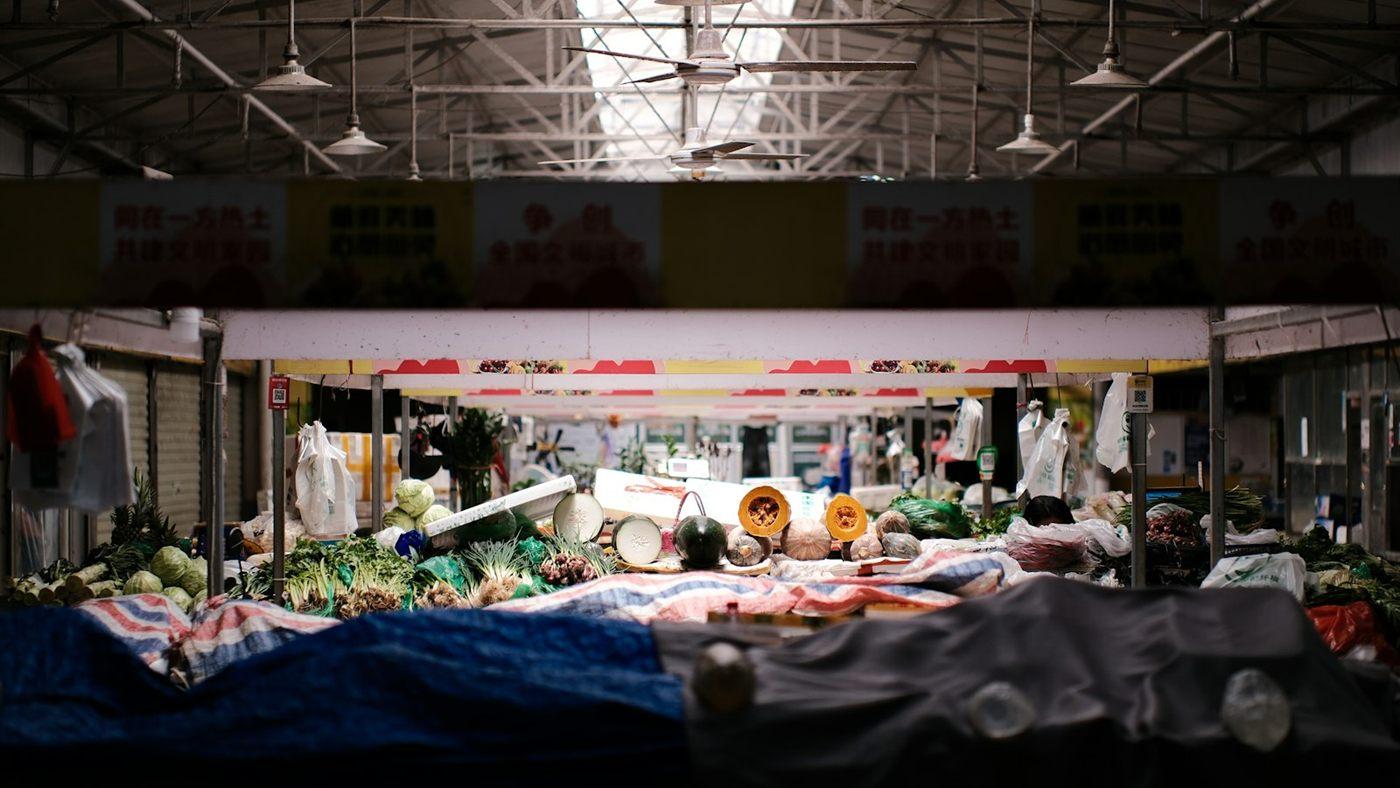
In short
On the market your cash records are your proof of revenue: you count daily, the balance may never be negative and you split takings between 9 and 21 per cent VAT.
- Food and ornamental plants fall under 9 per cent, non-food under 21 per cent; an estimated split does not hold up.
- Pitch fees, permits and stall hire are fully deductible.
- Traders may not accept cash payments of € 3,000 or more.
- Stock still in your van or storage on 31 December sits on your balance sheet at cost price.
The market is one of the few places where cash is still genuinely used, and that makes your records different from those of most freelancers. You have no bank statement proving your revenue, you sell products at two different VAT rates mixed together and you pay a different pitch fee in every municipality. All of that is manageable, but only if you keep it up daily. This article shows the four things you need in order: your cash, your VAT split, your pitch and your stock.
Your till is your proof of revenue
Without card payments your cash records are the only evidence of what you sold. So count your till at the end of every market day and note the day's takings on a daily sheet: opening balance, receipts, payments, closing balance. That balance may never be negative, because you cannot spend money you do not have. A negative till is the first thing an inspector jumps on in an audit. Everything about it is in cash records.
If you take money from the till for yourself, book it as a private withdrawal and not as a cost, see private withdrawals and deposits. If you pay your wholesaler in cash, keep the receipt in your business name. And note the limit: since 2026 traders may not accept cash payments of € 3,000 or more.
Two rates on one stall
On the market 9 and 21 per cent sit side by side on the same stall. Foodstuffs fall under 9 per cent: vegetables, fruit, fish, cheese, bread, nuts and plant products. Non-food falls under 21 per cent: clothing, household goods, tools, bags and electronics. Ornamental plants and flowers fall under 9 per cent again. The full logic is in which VAT rate applies.
If you sell both, you must split your daily takings. You can do that with a till system that books per product group, or with separate cash boxes and a count per group. A split you estimate afterwards does not hold up in an audit: the inspector may then set a ratio, and that rarely works out in your favour.
Worked example: a market day with two rates
- Food takings, 9 per cent
- € 872 including VAT
- Non-food takings, 21 per cent
- € 418 including VAT
- VAT due on the 9 per cent share
- € 72.03
- VAT due on the 21 per cent share
- € 72.56
Result: If you booked the whole day's € 1,290 at 21 per cent, you would pay € 223.88 instead of € 144.59. That is nearly eighty euros on one day, and over a year with eighty market days it runs into the thousands.
Pitch, fees and your vehicle
For a fixed or day pitch you need a permit per municipality, and you pay market or pitch fees. Those costs are fully deductible, as are your Chamber of Commerce registration and your insurance. Keep the assessments and payment records per municipality; with several markets a week it adds up to a substantial amount you would otherwise forget to include.
Your stall, awning, cooling, scales and sales vehicle are business assets. If an item costs more than € 450 excluding VAT, you capitalise and depreciate it, usually over five years. If you pass € 2,900 of investments in a year, the investment deduction comes on top. For your van the rules in commercial vehicles apply; if you also drive it privately, keep a complete mileage log.
Stock, spoilage and the end of the year
Whatever is still in your van, freezer or storage on 31 December is no longer a cost but an asset. You count that stock and put it on your balance sheet at cost price, which makes your profit for that year higher. If you trade in perishables you may write unsellable stock down, but record what you threw away and why. See valuing stock at year-end.
If you buy second-hand goods from private individuals, for example if you trade in used items, draw up a purchase statement and check whether the margin scheme works out better for you. See buying from private individuals and the margin scheme. If your turnover stays below € 20,000 a year, for example because you only trade one day a week, the small business scheme can save you VAT returns entirely.
Frequently asked questions
Do I need a till that prints receipts?
It is not mandatory, but you must be able to substantiate your daily takings and split them per VAT rate. A till system that books per product group makes that much easier.
Are pitch fees deductible?
Yes, in full. The same goes for your pitch permit, stall hire, electricity on the market and the cost of permits in other municipalities.
What about products I throw away?
Perishables you can no longer sell are written down. Note the date, product and reason, so you can show why your stock is lower than your purchases suggest.
May I keep taking cash from customers?
Yes, but traders may not accept cash payments of € 3,000 or more, and your cash records must be right daily. For the market that is the key point in practice.
Sources
- Setting up records, including cash recordsBelastingdienst · belastingdienst.nl
- Ban on cash payments from € 3,000Rijksoverheid · rijksoverheid.nl
- Valuing stock in your businessBelastingdienst · belastingdienst.nl
Sources checked on
This article provides general information based on the rules known for 2026 and does not replace personal tax advice. For your specific situation, we're happy to take a look with you.