Bookkeeping for the self-employed installer and plumber: 21, 9 or 0 per cent VAT
 Written by Ilias Aarrass8 min read · Published on · Last reviewed on
In short
An installer charges 21 per cent VAT as a rule, 9 per cent on the labour for insulation work on homes older than two years and 0 per cent for solar panels on a home.
- With insulation work only your labour falls under 9 per cent; the insulation material stays at 21 per cent, so you split the invoice.
- The zero rate on solar panels is not an exemption: you may still deduct the VAT on your purchases.
- As a subcontractor you reverse-charge the VAT and state the main contractor's VAT number on your invoice.
- A wholesaler's till receipt above € 100 including VAT without your company name gives no right to deduct VAT.
Few trades carry as many VAT rates on a single invoice as the installer. Replacing a boiler is 21 per cent, floor insulation in the same home is 9 per cent on your labour and 21 per cent on the material, and solar panels on that same client's roof are 0 per cent. Work that same week as a subcontractor for a builder and you invoice without VAT under the reverse charge. Get it wrong on your invoice and you pay the difference yourself, because your client will not top it up afterwards. This article lists the rates, shows how to split material and labour and which other costs you can deduct as an installer.
The four rates you will meet
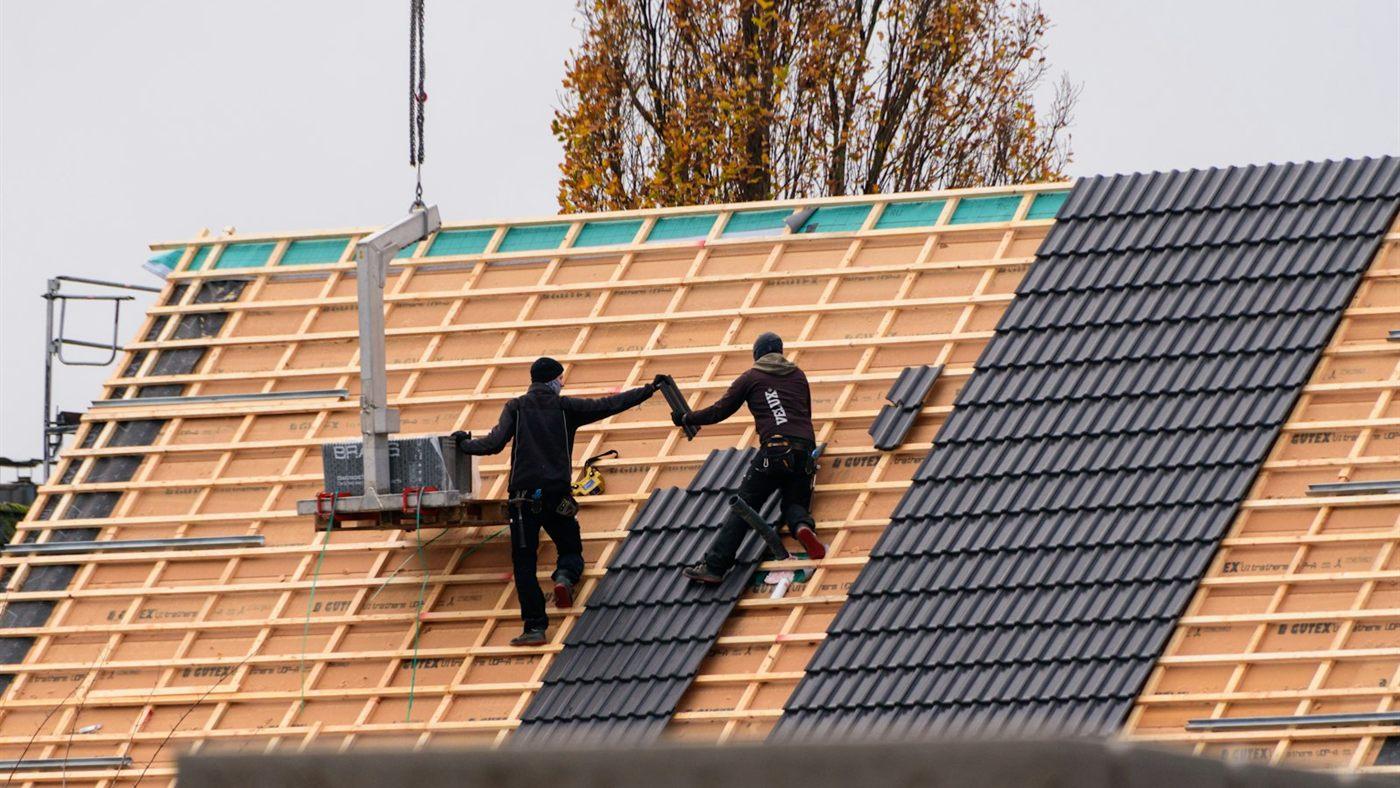
The main rule is 21 per cent: replacing a boiler, connecting a bathroom, fixing a leak, extending a consumer unit. There are three exceptions you meet weekly as an installer. The first is insulation work on homes older than two years: that carries 9 per cent, but only on your labour. The insulation material itself stays at 21 per cent, so you split the two on the invoice.
The second is the supply and installation of solar panels on or at a home: since 2023 that carries the zero rate. You charge your client no VAT, but you may still deduct the VAT on your own purchase of those panels. Note: integrated panels on a newly built home carry 21 per cent. The third is the reverse-charge scheme: as a subcontractor there is no VAT on your invoice at all.
| Work | Rate | Note |
|---|---|---|
| Boiler, sanitary ware, electrics, breakdowns, maintenance | 21% | Main rule |
| Insulating floor, wall or roof, home older than 2 years | 9% on labour | Material stays at 21%, so split it |
| Supplying and installing solar panels on or at a home | 0% | Input VAT stays deductible |
| Subcontracted work for a main contractor | Reverse-charged | State reverse charge and their VAT number |
Buying materials and passing them on
Material you buy at the wholesaler and pass on is both a purchase and revenue for you. You deduct the VAT on the purchase invoice and charge VAT on what you invoice the client, including your margin. Passing material on at a profit is allowed: you are not a conduit but a business that buys, pre-finances and provides a guarantee. How to present that neatly on your invoice is covered in passing costs on to your client.
Watch your purchase invoices: a wholesaler's till receipt without your company name is not a valid invoice above € 100 including VAT, and strictly speaking you may not deduct the VAT on it. So open a trade account in your business name and have everything invoiced. The requirements are set out in purchase invoices and VAT deduction and simplified invoices.
If you still have stock in the van or the shed at year-end, that stock is no longer a cost but an asset. You include it on your balance sheet at cost price, which makes your profit for that year higher. See valuing stock at year-end.
Worked example: floor insulation plus a new boiler
- Labour for floor insulation, home built in 1978
- € 900 · 9% = € 81
- Insulation material
- € 700 · 21% = € 147
- Boiler plus installation
- € 2,400 · 21% = € 504
- Total including VAT
- € 4,732
Result: By putting only the insulation labour under 9 per cent, your client pays € 108 less than if you charged everything at 21 per cent. If instead you put the whole insulation part under 9 per cent, materials included, you pay € 84 too little and an audit will charge it to you afterwards.
Subcontracting, the G account and liability
For physical work on a home or building as a subcontractor you reverse-charge the VAT to the main contractor. Your invoice then shows no VAT amounts, but does state that VAT is reverse-charged plus your client's VAT number. Check that number before you invoice, see checking a VAT number and the explanation in reverse-charged VAT in construction.
Large contractors often work with a blocked G account and a payment-behaviour statement from the tax authorities. Without those papers some clients will not take you on. Arrange it before you start, not halfway through the project, see when do you need a G account.
If you work mainly for one contractor, on their hours and with their materials, the question arises whether you are genuinely independent. Since 2025 the tax authorities actively enforce the rules on false self-employment again. What that means and how to strengthen your position is covered in false self-employment and the DBA act and model agreements.
Van, tools and the rest of your costs
Your largest fixed costs are your van and your tools. Above € 450 excluding VAT you capitalise a purchase and depreciate it; below that you deduct it at once. If you pass € 2,900 of investments in a year, the investment deduction gives you extra relief. For the van the rules in commercial vehicles apply; if you also drive it privately you face an addition to income, unless a complete mileage log keeps you under 500 private kilometres.
Also deductible: work clothing with your company logo, safety shoes and protective equipment, inspections and certifications, trade literature, the business share of your phone and your insurance. Note that ordinary clothing without a logo is not deductible, see work clothing. For an installer, liability insurance is no luxury: one bad connection can cause tens of thousands of euros of water damage, see business insurance.
Frequently asked questions
Does 9 per cent apply to all work on an older home?
No. For installation work the reduced rate only applies to insulating floors, walls and roofs, and then only to your labour. Replacing a boiler or connecting sanitary ware stays at 21 per cent.
Can I deduct input VAT on a job at 0 per cent?
Yes. The zero rate on solar panels is not an exemption: you charge your client no VAT, but you still deduct the VAT on the panels and on your own costs in your return.
What if I notice afterwards that I used the wrong rate?
Send a credit note and a new invoice with the correct rate, and correct your return. For a small amount in an old period you can use a VAT adjustment.
May I pass materials on for more than I paid?
Yes. You buy, pre-finance and guarantee; your margin is simply revenue. Do agree in your quote whether materials are charged on actuals or at a fixed price.
Sources
- VAT rate for insulating homesBelastingdienst · belastingdienst.nl
- VAT rate for solar panelsBelastingdienst · belastingdienst.nl
- Reverse charge for subcontracting and hiring out staffBelastingdienst · belastingdienst.nl
Sources checked on
This article provides general information based on the rules known for 2026 and does not replace personal tax advice. For your specific situation, we're happy to take a look with you.