Bookkeeping for the self-employed gardener: VAT rates, materials and seasons
 Written by Ilias Aarrass7 min read · Published on · Last reviewed on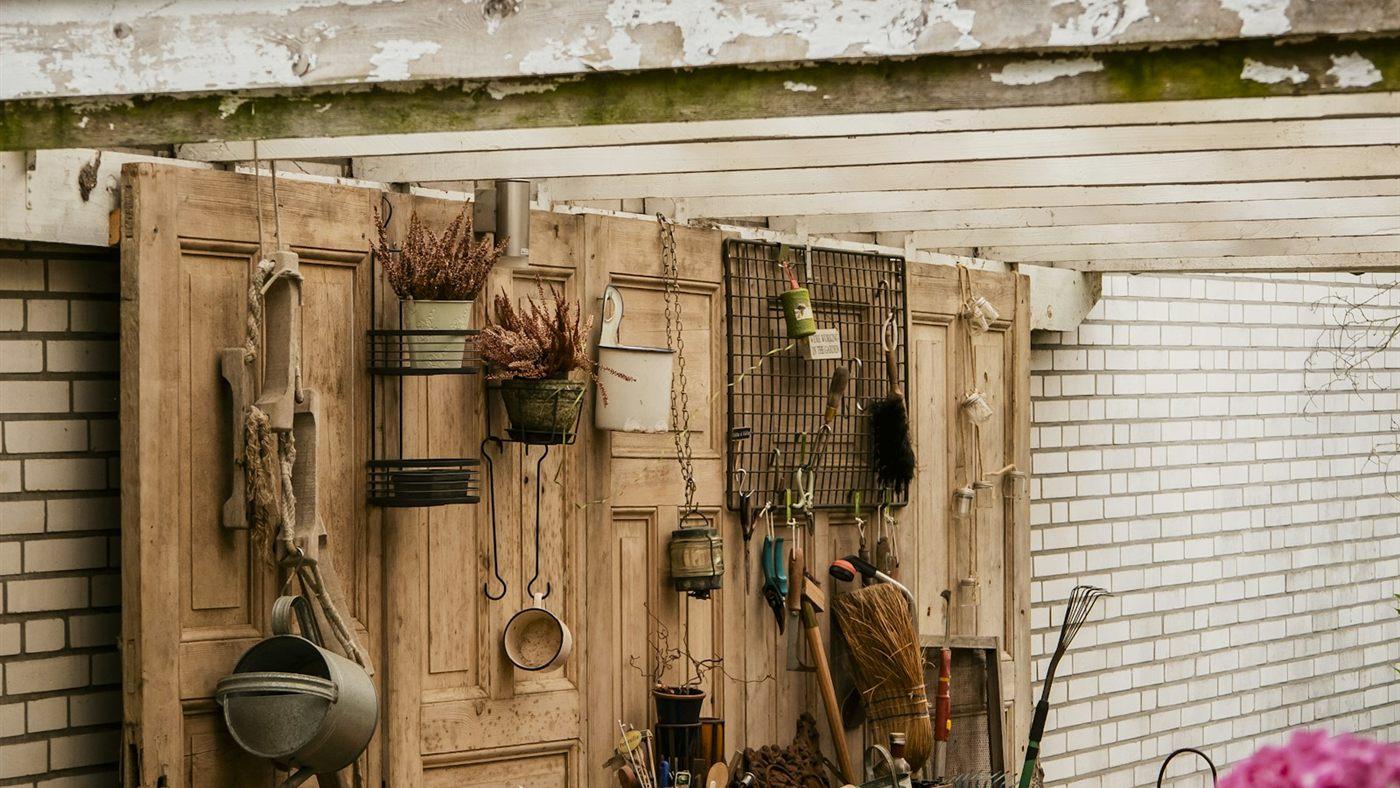
In short
As a landscape gardener you charge 21 per cent VAT on your hours, paving and groundwork, but 9 per cent on the plants, shrubs and turf you supply on the same job.
- Split your invoice: plant material on a line at 9 per cent, labour and other materials on a line at 21 per cent.
- Subcontracted landscaping and groundwork often fall under the reverse charge; garden maintenance directly for the owner does not.
- Machines above € 450 excluding VAT are capitalised and depreciated; above € 2,900 of investments a year you get the investment deduction.
- Your hours for quoting, admin and servicing machines also count towards the 1,225-hour criterion.
As a landscape gardener you rarely supply just one thing. A single job contains hours, plant material, paving, groundwork and sometimes removing rubble, and for tax purposes they do not all carry the same rate. On top of that, one week you work for a private client in their back garden and the next as a subcontractor on a building site, where the reverse-charge scheme applies. And then there is the season: from March to November you work full days, in January the van stands still. This article covers the four things that most often go wrong for gardeners: splitting the VAT, the difference between private clients and contractors, your machinery and your cash flow.
VAT: 21 per cent on your work, 9 per cent on the plants
Designing and maintaining gardens, parks, green roofs and sports fields falls under the high rate of 21 per cent, including the materials you supply with it: paving, sand, timber, soil and irrigation. Ornamental horticultural products you supply as part of that work do fall under 9 per cent. Plants, shrubs, trees, bulbs and turf therefore keep their own reduced rate, even when they are part of a larger job.
In practice that means one thing: split your invoice. Put the plant material on its own line at 9 per cent and the rest on a line at 21 per cent. If you charge everything as one amount at 21 per cent, you overcharge your client and pay too much over. If you put everything under 9 per cent, an audit will land you an additional assessment for the difference. How to build a split invoice is covered in which VAT rate applies and creating your first invoice.
| Item | Rate |
|---|---|
| Hours of landscaping, maintenance, pruning, mowing | 21% |
| Plants, shrubs, trees, bulbs, turf | 9% |
| Paving, sand, soil, timber, irrigation, pond liner | 21% |
| Removing green waste and rubble | 21% |
| Garden design and advice | 21% |
Worked example: relaying a back garden
- Labour, 40 hours at € 45
- € 1,800 · 21% = € 378
- Paving and sand
- € 1,100 · 21% = € 231
- Planting and turf
- € 900 · 9% = € 81
- Total including VAT
- € 4,490
Result: Had you invoiced the planting at 21 per cent too, your client would have paid € 108 more for exactly the same work. With ten such jobs a year that is more than a thousand euros by which you are needlessly more expensive than the gardener who does split.
Private client, contractor or council: three kinds of client
With a private client you simply invoice with VAT, and that client cannot reclaim it. Your price including VAT is therefore their real price; be clear about that in your quote, see writing a quote. If you work for a company or a council, your price excluding VAT is what counts, because they deduct the VAT.
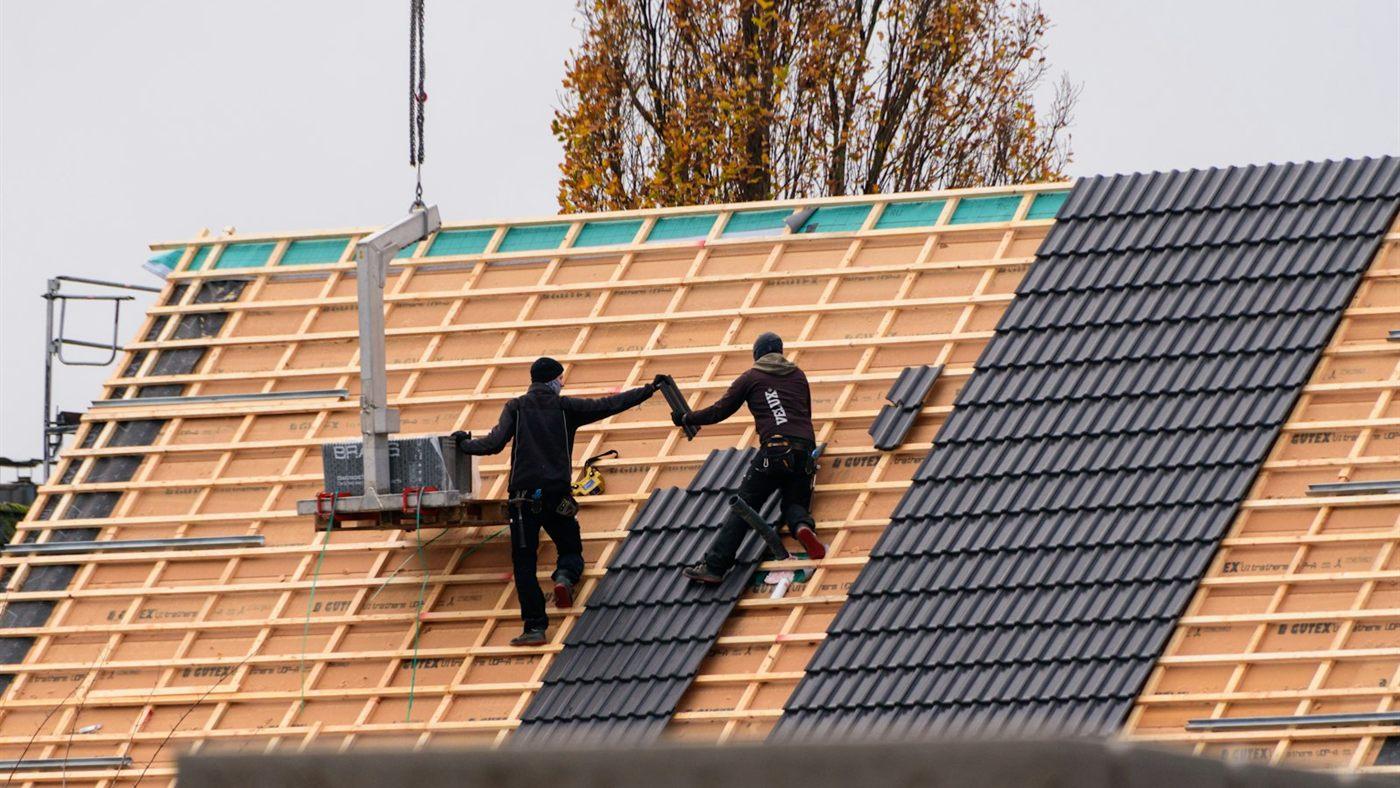
If you work as a subcontractor on physical work on immovable property, for example groundwork, paving or laying out a garden at a new-build site, the reverse-charge scheme often applies: you invoice without VAT stating that VAT is reverse-charged, and the main contractor declares it. Ordinary garden maintenance you carry out directly for the owner does not fall under it. If you are unsure about a job, record the arrangement before the first invoice; correcting it afterwards costs you a credit note. The rules are set out in reverse-charged VAT in construction.
Machinery, tools and the van
If a machine costs more than € 450 excluding VAT, you do not book it as a cost at once but capitalise it and depreciate it over its useful life, usually five years. A small brush cutter of € 380 is therefore deductible straight away, a mini digger or tipper trailer is not. The difference and its consequences are covered in capitalise or deduct at once and depreciation.
If you invest more than € 2,900 in business assets in a year, you qualify for the small-scale investment deduction: an extra deduction on top of your depreciation, see investment deduction. For gardeners that adds up faster than you would think, because a trailer, a chainsaw, a plate compactor and a brush cutter in the same year already take you past it. An electric machine or a clean van may additionally qualify for the environmental investment deduction, see EIA and MIA.
Your van is usually a commercial vehicle. If you put it on the business, fuel, insurance, maintenance and depreciation are deductible, but you face an addition to your taxable income as soon as you also drive it privately. If you demonstrably drive fewer than 500 private kilometres a year, you can avoid that addition with a complete trip log. See commercial vehicles and keeping a mileage log.
The season: making sure winter does not catch you out
You earn most of your annual revenue between March and November, but you pay your third-quarter VAT return in October and your income tax assessment often arrives in the middle of winter. So set money aside per invoice: VAT is not part of your revenue, and you pay income tax on your profit later. A rule of thumb and a calculation are given in how much to set aside.
Use the quiet months for tax purposes too. The 1,225-hour criterion for the self-employed deduction counts not only your hours on site, but also quoting, admin, servicing your machines and training. Do record those hours, because without a log you cannot prove them in an audit, see keeping an hours log. Make big investments in a year with a good profit rather than in a winter when you earn little anyway; see steering profit around year-end.
Frequently asked questions
May I use one rate on my invoice if the client finds that easier?
No. If you supply both work at 21 per cent and plants at 9 per cent, you split them on the invoice. A single rate means either paying too much VAT or an additional assessment for the difference.
Does the reduced rate apply to garden maintenance at an older home?
No. The reduced rate for work on homes older than two years applies to painting, plastering, wallpapering and insulating, not to garden work. Your garden hours stay at 21 per cent.
Do I reverse-charge VAT when I lay out a garden for a contractor?
For physical work on immovable property as a subcontractor, such as groundwork and paving, usually yes. For separate maintenance for the owner, no. Record the arrangement before you invoice.
Can I deduct my trailer in one go?
Only if it costs less than € 450 excluding VAT. Above that you capitalise and depreciate it, but it does count towards the investment deduction from € 2,900 of investments a year.
Sources
- VAT rate for ornamental horticultural productsBelastingdienst · belastingdienst.nl
- Reverse charge for subcontracting and hiring out staffBelastingdienst · belastingdienst.nl
- Small-scale investment deduction 2026Belastingdienst · belastingdienst.nl
Sources checked on
This article provides general information based on the rules known for 2026 and does not replace personal tax advice. For your specific situation, we're happy to take a look with you.