EIA and MIA: extra deduction for sustainable investments
 Written by Ilias Aarrass7 min read · Published on · Last reviewed on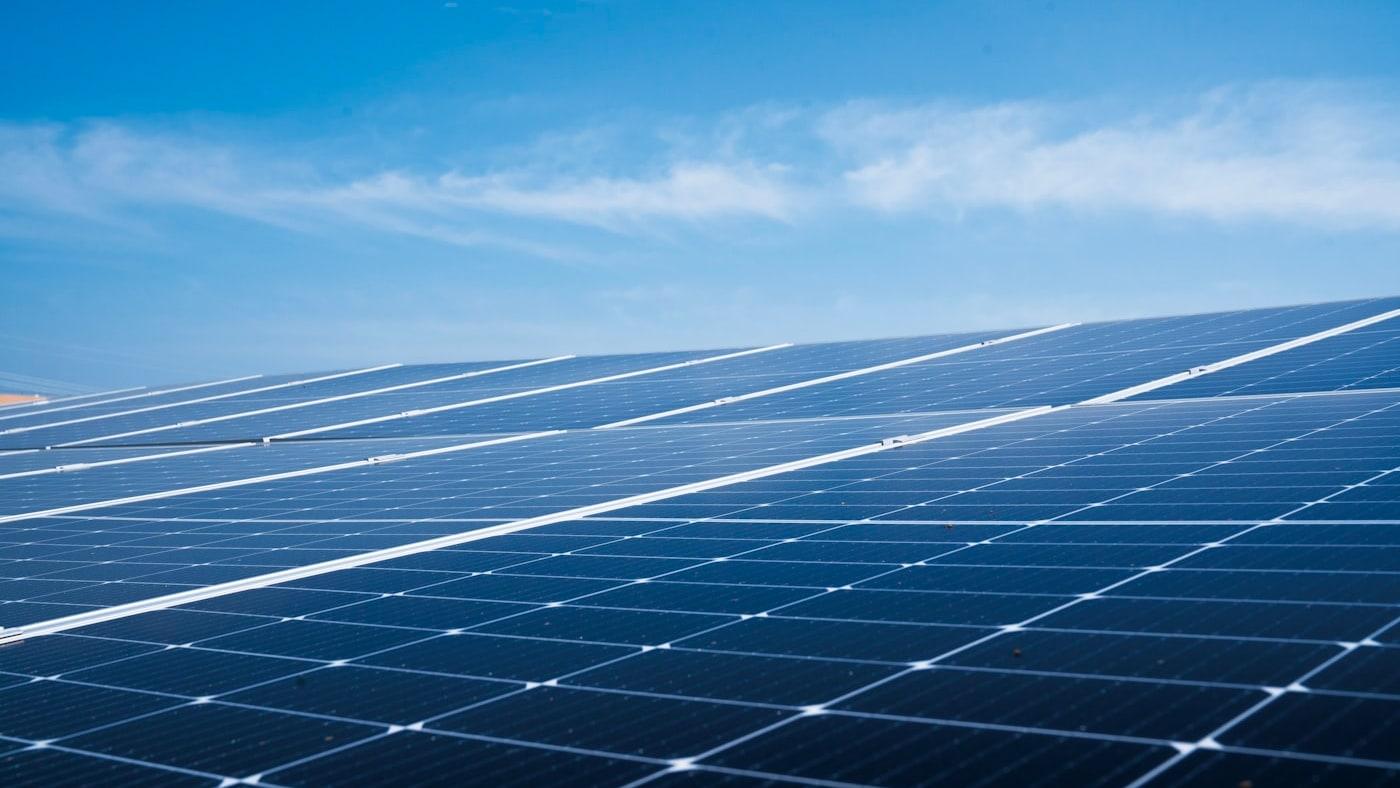
In short
The EIA gives 40 per cent extra deduction for Energy List assets and the MIA 27, 36 or 45 per cent for Environmental List assets, provided you report to RVO within three months.
- The minimum investment is € 2,500 per asset and the asset must be new and previously unused.
- EIA and MIA exclude each other per asset, but the 28 per cent small-scale investment deduction stacks on top.
- The three-month deadline starts when you commit, at signing the quotation or placing the order.
- Many Environmental List investments may be depreciated arbitrarily for 75 per cent through Vamil.
Anyone investing sustainably in their business gets a solid push from the tax authority. Besides ordinary depreciation, the small-scale investment deduction and the WBSO for your own development work there are two extra schemes for sustainable investments: the Energy Investment Allowance (EIA) for energy-saving business assets and the Environmental Investment Allowance (MIA) for environmentally friendly ones. Together with the Vamil arbitrary depreciation, the tax benefit can run to thousands of euros per investment. One hard rule governs everything: report the investment to RVO within three months, or the benefit lapses entirely.
EIA: 40% extra deduction for energy saving
The EIA gives 40% of the investment amount as an extra deduction on top of ordinary depreciation. Condition: the asset is on RVO's Energy List and you invest at least € 2,500 per asset. The list includes solar panels on your business premises, heat pumps, LED lighting, insulation and energy-efficient cooling. The asset must be new; second-hand does not count.
MIA: up to 45% deduction for environmentally friendly investing
The MIA works the same way, but for assets on the Environmental List. Depending on the category the deduction is 27%, 36% or 45% of the investment amount. Familiar examples: a fully electric van, circular building materials and low-emission technology. Many Environmental List investments may additionally be depreciated arbitrarily for 75% via Vamil: you pull depreciation forward and reduce your profit in a good year, the same principle as the arbitrary depreciation for starters.
Combining: KIA stacks, EIA and MIA do not
You can never apply both EIA and MIA to one asset; you pick the more favourable. The small-scale investment deduction does stack on top: for investments between € 2,901 and € 71,683 that is another 28%.
| EIA | MIA | KIA | |
|---|---|---|---|
| Deduction | 40% | 27, 36 or 45% | 28% in the middle bracket |
| Which list | Energy List | Environmental List | No list |
| Minimum per asset | € 2,500 | € 2,500 | € 450 |
| Report to RVO | Within 3 months | Within 3 months | Not required |
| Combines with | KIA, not MIA | KIA and Vamil, not EIA | EIA or MIA |
How to go about it
The order matters:
- Before purchasing, check whether the asset is on the current Energy or Environmental List, including the code and exact description.
- Report the investment to RVO within three months of committing to it. You need eHerkenning for that; arrange it in time, obtaining it can take days.
- Then process the deduction in your income tax return, together with the KIA; ordinary depreciation continues separately.
- Keep the report, invoice and payment proof in your records; RVO and the tax authority may ask for them.
What it delivers: solar panels on your business premises
Because EIA and KIA stack, the benefit adds up quickly. A typical example:
Worked example: € 10,000 of solar panels
- Investment, on the Energy List
- € 10,000
- EIA, 40%
- € 4,000 extra deduction
- KIA, 28%
- € 2,800 extra deduction
- Tax benefit at 37.56%, after SME exemption
- around € 2,230
Result: Well over € 2,200 in tax benefit on top of the energy savings themselves, and depreciation on the panels continues separately as normal
Frequently asked questions
Do EIA and MIA also apply to solar panels on my home?
Only if the building and installation belong to your business assets and meet the list conditions. Panels on your private home for private power fall outside it. If unsure about your workspace status, first read the article on the home office.
What is eHerkenning and do I really need it?
eHerkenning is the business login method for government portals, comparable to DigiD but for companies. It is required for the EIA and MIA report at RVO. You obtain it from a recognised supplier; a small annual fee applies.
Can I get EIA or MIA on a second-hand asset?
No. Both schemes only apply to new, previously unused assets. For second-hand investments only ordinary depreciation remains; the KIA also has restrictions for certain second-hand and excluded assets.
Does the MIA apply to every electric car?
No. The Environmental List is revised annually and ordinary electric passenger cars have largely been removed in recent years; categories still exist for electric vans and special vehicles. So always check the current list before buying.
What if the scheme's budget runs out?
EIA and MIA have annual budgets. If a budget is exceeded, the scheme can be restricted for the rest of the year. In practice that rarely happens unexpectedly, but it is one more reason to report investments early in the year.
Must I keep the asset for years?
If you sell the asset within five years of the start of the calendar year of investment, the divestment addition applies: part of the enjoyed deduction is clawed back. Bear that in mind with early sale.
Sources
- Energy investment allowance 2026Belastingdienst · belastingdienst.nl
- Environmental investment allowance 2026Belastingdienst · belastingdienst.nl
Sources checked on
This article provides general information based on the rules known for 2026 and does not replace personal tax advice. For your specific situation, we're happy to take a look with you.