Model agreements and the DBA Act
 Written by Ilias Aarrass7 min read · Published on · Last reviewed on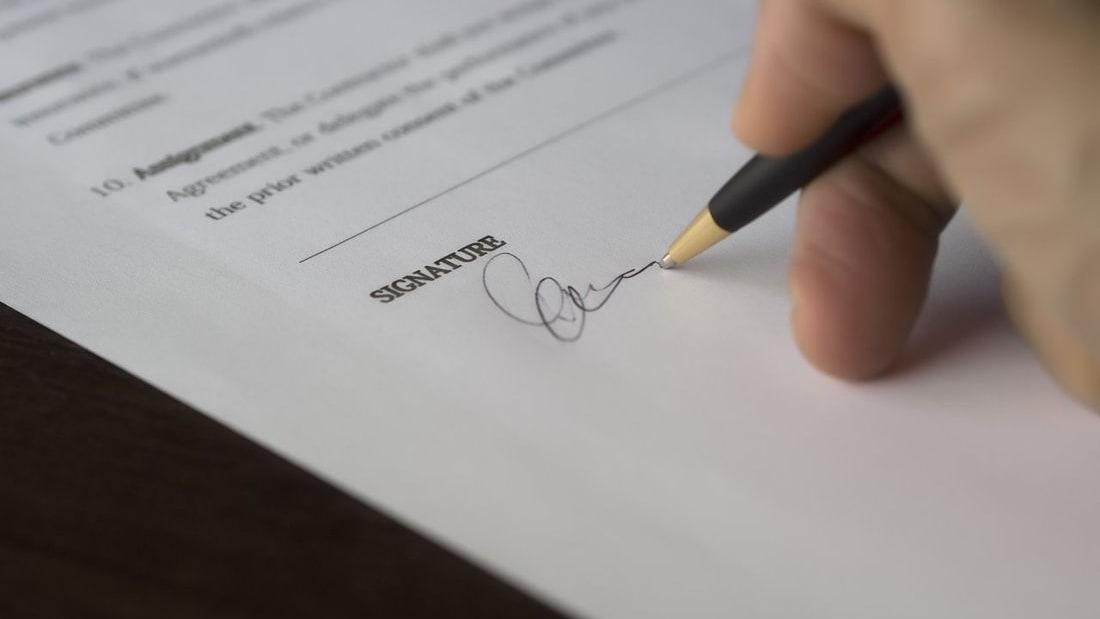
In short
Since 6 September 2024 the tax authorities no longer assess new model agreements; agreements approved and valid on that date may still be used up to and including 31 December 2029.
- A model agreement protects only as long as practice follows exactly what it says.
- The test is the actual working relationship, along the criteria from the Deliveroo ruling.
- The payroll tax assessment lands with the client, not with the freelancer.
- An ordinary services agreement can record the same arrangements.
When working with or as a freelancer you'll encounter the DBA Act and model agreements. These are meant to create clarity about the nature of the collaboration and prevent false self-employment. This article explains what a model agreement is and what you can do with it.
What is the DBA Act?
The DBA Act, in full the Assessment of Employment Relationships (Deregulation) Act, governs the assessment of whether there's independent entrepreneurship or disguised employment. The goal is to counter false self-employment. The tax authorities have been enforcing this again since 1 January 2025 and can impose aggravated penalties from 2026.
What is a model agreement?
A model agreement is a pre-drafted agreement between client and freelancer in which the arrangements are shaped so that there's no employment. By working according to such an agreement, you record that the collaboration is one of independent entrepreneurship.
Does a model agreement give certainty?
A model agreement helps, but gives no full guarantee. What ultimately counts is how you work in practice, not only what's on paper. If you actually work like an employee, the agreement offers no protection. The paper arrangement and the reality must match.
What's sensible to do?
Record the collaboration clearly and ensure the practice matches the arrangements: own rates, own working method, multiple clients. If in doubt about your situation, have the agreement and the working method assessed. Good documentation protects both you and your client.
What a model agreement does and does not do
A model agreement is a contract reviewed by the tax authorities recording that there is no employment. But the paper only protects as long as practice matches it. Since enforcement resumed, how work is actually done weighs more than what was signed.
| Covered | Not covered | |
|---|---|---|
| Model agreement signed | Clear agreements on paper | Protection when practice deviates |
| Actually free of authority and substitutable | The real test of independence | n/a |
| Expired or withdrawn model agreement | Nothing any more; many old models have lapsed |
Recording independence without a model agreement
Now that model agreements have largely lost their value, the work shifts to your own contracts and way of working. An ordinary services agreement, together with your quote and terms and conditions, can record the same, as long as the content and the practice hold up.
- Describe the assignment as a result with an end date, not as a role or a number of hours per week.
- State that you set your own method, hours and tools, and that you may arrange a substitute when unavailable.
- Use your own rate and invoice per assignment or milestone, not via a fixed monthly amount that resembles salary.
- Keep evidence of entrepreneurship: multiple clients, your own acquisition, investment in your trade and your own liability for the result.
Why your client watches this more sharply than you
If a collaboration is later classed as employment, the bill lands mainly with the client: back-assessed payroll taxes, sometimes with a fine. That is why larger organisations have grown more cautious since enforcement resumed, asking for more elaborate contracts or steering freelancers towards payroll or employment. That is not distrust of you but risk management; how that trade-off works on their side is covered in hiring freelancers or employees.
For you it mainly means: be the party who arrives prepared. Showing your independence with a solid contract and a matching practice removes exactly the worry that would otherwise cost you the assignment. If you doubt whether your situation holds up, test it against the false self-employment criteria.
Frequently asked questions
Is a model agreement mandatory?
No. It is a tool for recording agreements, not a requirement. Without one an assignment can be perfectly independent, and with one it can still turn out to be employment.
Does a signed model agreement protect against assessments?
Only if work genuinely follows the agreement. If practice deviates, say because the client actually exercises authority, the paper offers no protection.
My old model agreement has expired. Now what?
If it was approved and valid on 6 September 2024, you may still use it up to and including 31 December 2029. Otherwise replace it with a regular services agreement with clear terms on results, substitution, risk and rate, and above all keep the practice independent. The approval stamp is not coming back.
Who bears the risk: me or my client?
The payroll assessment lands with the client. For you as a freelancer the effects are indirect: clients grow cautious and lean towards employment or secondment.
What can I do to stay independent?
Several clients, your own equipment and rate, result-based agreements, substitutability and own liability for errors. Record it and act on it; conduct outweighs the contract.
Sources
- No new model agreementsBelastingdienst · belastingdienst.nl
- Enforcement on false self-employmentBelastingdienst · belastingdienst.nl
Sources checked on
This article provides general information based on the rules known for 2026 and does not replace personal tax advice. For your specific situation, we're happy to take a look with you.