Bookkeeping for personal trainers and sports coaches
 Written by Ilias Aarrass8 min read · Published on · Last reviewed on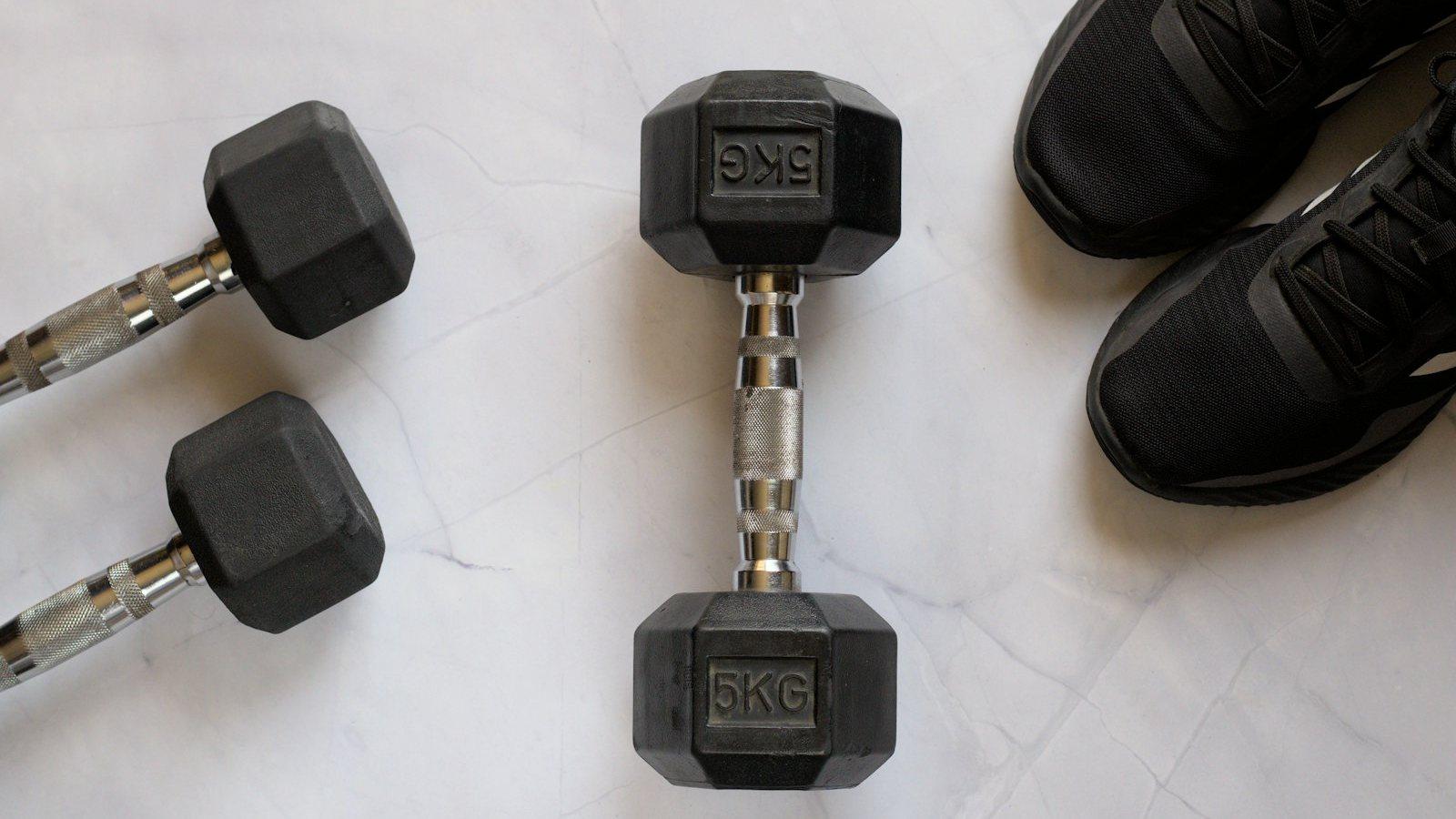
In short
If you make a sports facility available yourself you charge 9% VAT; training at the client's home, in the park or hired in by a gym means 21%.
- Lessons and coaching without a facility being made available fall under the standard rate, as do nutrition advice and online coaching.
- Selling a session card, the VAT is due in the period of the invoice or payment, even if the client uses the sessions months later.
- If your turnover stays below € 20,000 a year the small business scheme can pay off; after deregistering you can only rejoin after the rest of that year plus the next.
- Your own gym membership and unbranded sportswear are private; hall rent, equipment and professional training are business costs.
As a personal trainer or sports coach you sell health, but your bookkeeping does not get fit by itself. The VAT rate depends on where and how you train, session cards and subscriptions require clean revenue processing, and you travel a lot between clients and locations. This article sets out the tax rules for trainers and coaches.
9% or 21%: the location decides
The reduced 9% rate applies to providing the opportunity to practise sport. The core of that wording is that you make the sports facility available to your client. If you rent a space in a sports centre and offer your clients the opportunity to exercise there, you fall under 9%. The same applies to your own training space equipped for sport.
If you do not make a facility available yourself, the standard 21% rate applies. That is the case when you train at the client's home or in the park, and also when you are hired by a gym: you then only provide the coaching while the gym supplies the space. Nutrition advice, lifestyle coaching and online coaching without a physical training component are also 21%.
If you combine both, you work with two rates and split them in your records and on your invoices. See also which VAT rate applies.
| Situation | VAT | Why |
|---|---|---|
| You rent a hall and train your own clients there | 9% | You make the facility available |
| You train in your own equipped training space | 9% | Same |
| You are hired by a gym | 21% | The gym supplies the space, you supply a service |
| You train at the client's home or in the park | 21% | There is no sports facility |
| Nutrition advice, lifestyle or online coaching | 21% | Advice, not sport |
Session cards, packages and subscriptions
Many trainers sell ten-session cards or monthly packages. For VAT purposes: at the moment you invoice or receive payment, the VAT is due. Even if the client uses the sessions later. So process the sale of a session card in your return immediately, and separately track how many sessions remain open.
If you work with direct debits or payment requests, link them to invoices or a revenue overview. Loose payment requests without substantiation make your turnover hard to justify if the tax authorities take a look. More on this in booking advances and prepayments.
Worked example: a ten-session card of € 450 sold in December
- Sale price including 9% VAT
- € 450
- VAT payable in the fourth quarter
- € 37.16
- Sessions the client uses in December
- 2 of 10
Result: You remit the VAT in full in the quarter of sale. The revenue for the eight open sessions still belongs on your balance sheet as deferred income at year-end
Travel costs and training on location
If you drive to clients' homes, to the park or to the gym you rent, those are business kilometres. With a private car you record 0.25 euros per kilometre in 2026. Track date, destination and kilometres; with many separate appointments per day a watertight log matters even more, because those trips add up.
Costs you may deduct
Renting hall space or a spot in a gym, your equipment such as kettlebells and resistance bands, sportswear with your business logo, your liability insurance, professional courses and certifications such as a trainer's licence: all business costs. Software for planning, nutrition schedules and your website also count. Generic sportswear without a logo and your own gym membership are private and therefore not deductible.
If you meet the 1,225-hour criterion, the self-employed deduction of 1,200 euros and possibly the starter's deduction of 2,123 euros come on top. Count all your hours: training sessions, but also writing schedules, administration, acquisition and further training.
Starting small? Consider the KOR
If you start alongside a job and your turnover stays below 20,000 euros per year, the small business scheme can be attractive: no VAT to charge, no VAT returns. For private clients you effectively become cheaper. Note: you also cannot reclaim VAT on equipment, hall rent and courses. You may deregister in the meantime, but you can only rejoin after the rest of that calendar year plus the following year. So run the numbers before you sign up.
If you mainly train private individuals, the small business scheme is more attractive than when you work for companies: they deduct the VAT anyway, so you only give up your own deduction. If you work part-time alongside a job, also look at part-time freelancing alongside a job.
Frequently asked questions
Which VAT rate applies to personal training?
Nine per cent if you make the sports facility available, for example by renting a hall or having your own training space. Twenty-one per cent if you train at the client's home or in the park, or if a gym hires you.
Was VAT on sport raised to 21 per cent in 2026?
No. That increase was in the 2025 Tax Plan but was reversed: the reduced rate for culture, media and sport stays at 9 per cent. Only accommodation moved to 21 per cent on 1 January 2026.
When must I remit the VAT on a session card?
In the period in which you invoice or receive payment, even if the client only uses the sessions months later. Also track how many sessions remain open, because that open value belongs on your balance sheet at year-end.
Is my own gym membership deductible?
No, that is private, even if you need to be fit for your work. If you rent a spot or hall to train clients there, that is a business cost. The difference lies in what you use the space for.
May I deduct my sportswear?
Only clothing with your business logo or clearly recognisable as workwear. Ordinary sportswear you could also wear privately is not deductible. See deducting workwear.
What mileage allowance may I claim when driving to clients?
With a private car you claim 0.25 euros per business kilometre in 2026. Record date, destination and number of kilometres; see keeping a mileage log.
Sources
- VAT rate for providing the opportunity to practise sportBelastingdienst · belastingdienst.nl
- Conditions for the small business schemeBelastingdienst · belastingdienst.nl
- Workwear: when it is deductibleBelastingdienst · belastingdienst.nl
Sources checked on
This article provides general information based on the rules known for 2026 and does not replace personal tax advice. For your specific situation, we're happy to take a look with you.