Employee off sick: continued pay and reintegration for small employers
 Written by Ilias Aarrass6 min read · Published on · Last reviewed on
In short
If an employee falls ill, the employer continues to pay at least 70 per cent of wages for up to 104 weeks, and no less than the minimum wage in the first year. You must engage a company doctor or occupational health service and follow the steps of the Gatekeeper Improvement Act; if you do too little on reintegration, UWV can impose a wage sanction of up to 52 weeks.
- Continued pay lasts up to 104 weeks, at least 70 per cent of wages.
- A company doctor or occupational health service is mandatory even for a small employer.
- Problem analysis by week 6, action plan by week 8, notification to UWV after week 42.
- Insufficient reintegration leads to a wage sanction of up to 52 weeks.
Your first employee also brings a risk that many small business owners underestimate: illness. In the Netherlands an employer keeps paying a sick employee's wages for up to 104 weeks, and during that period you and your employee are jointly responsible for reintegration. If you fall short, UWV (the employee insurance agency) can order you to pay for another year. This article covers how much you continue to pay, which steps the Gatekeeper Improvement Act prescribes, what a long-term sick employee costs a small business and how to process it in your records.
How much pay do you continue?
The law says: up to 104 weeks at a minimum of 70 per cent of the most recent wages. In the first year of illness that may not fall below the statutory minimum wage (pro rata to the contracted hours). In the second year that floor no longer applies. Many collective labour agreements (cao) require more, for example 100 per cent in year one and 70 per cent in year two. So always check your cao or the employment contract first.
You may agree up to two waiting days without pay, but only if this is in writing and the cao does not prohibit it. Your employee also keeps accruing holiday pay and holiday days while sick, and the payslip simply continues through your payroll tax return.
The steps of the Gatekeeper Improvement Act
Every employer must engage a company doctor or occupational health service (arbodienst). You cannot judge for yourself whether someone is ill or what they can still do. The law sets a fixed timeline, and at the end UWV checks whether you followed it.
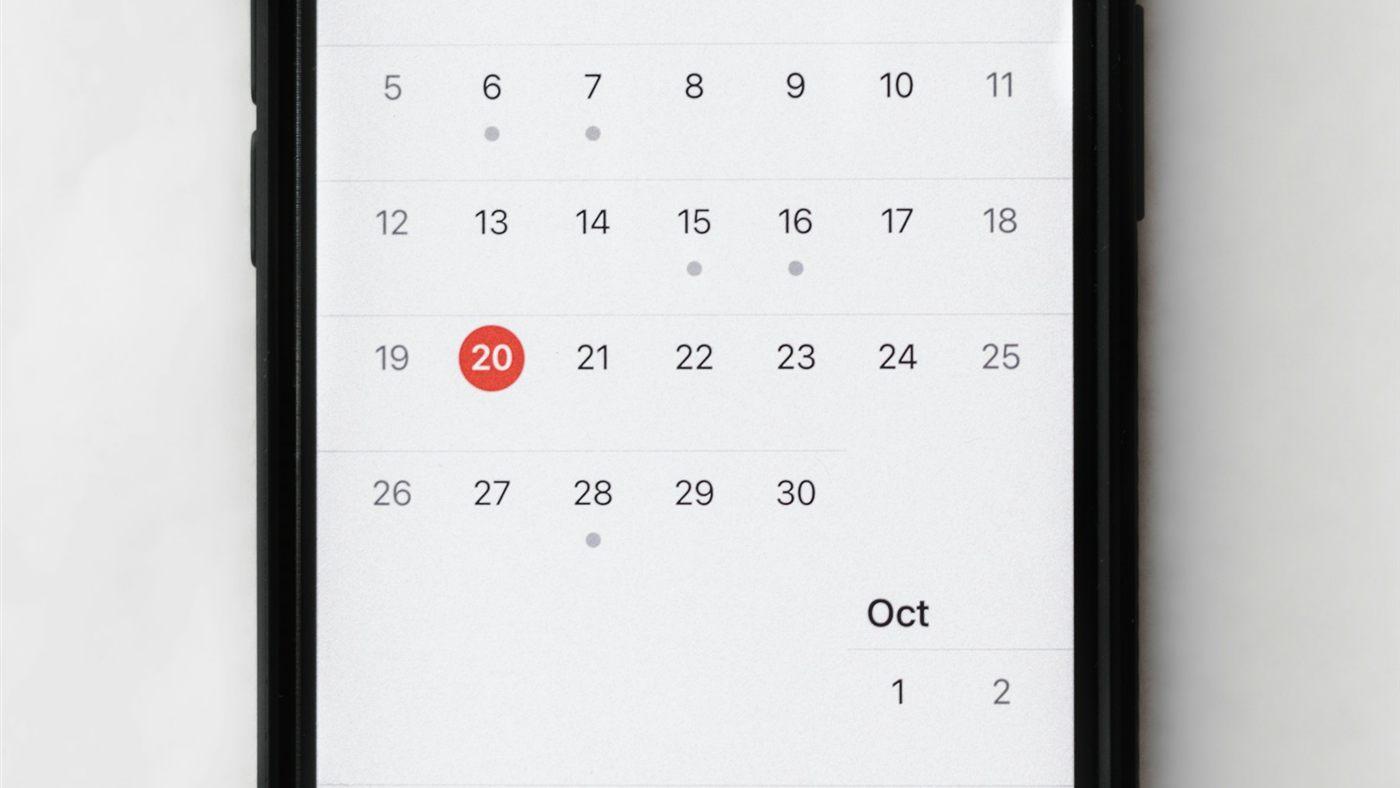
- Day 1: report the absence to the company doctor or occupational health service.
- By week 6: the company doctor draws up a problem analysis.
- By week 8: you and your employee jointly draw up an action plan.
- At least every 6 weeks: a written review of the plan.
- No later than after week 42: notify UWV (the 42nd-week notification).
- Around week 52: first-year evaluation.
- By week 93: your employee applies for WIA (incapacity) benefit, with the reintegration report you compile together.
What does a long-term sick employee cost?
For a large company one sick employee is a line in the budget. For an owner with one or two staff it can hit cash flow hard, especially since you often need to arrange a replacement too.
Worked example: two years off sick, 70 per cent continued pay
- Gross salary
- 4,000 euros per month
- 70 per cent continued pay
- 2,800 euros per month, 33,600 euros per year
- Holiday pay 8 per cent
- 2,688 euros per year
- Two years combined
- 72,576 euros
Result: Over 72,000 euros in wages, before employer contributions, the occupational health service and the cost of a replacement. If your cao requires 100 per cent in year one, the amount is higher still.
How to limit the risk
You can carry the risk yourself or insure (part of) it; that is a trade-off, not an obligation. What you control in any case: a contract with an occupational health service before the first sickness report, an absence protocol your employee knows, and contact during the absence. Also check whether you qualify for wage cost benefits or UWV's no-risk policy for employees with a work limitation; UWV then covers part of the wages during illness.
A bill is pending that would let small and medium-sized employers focus on work with another employer earlier in the second year of illness. In 2026 it is still before parliament and changes nothing about the two years of continued pay itself.
Processing it in your records
Continued wages are simply booked as wage costs. If you receive a benefit from UWV under the no-risk policy, book it as a reduction of wage costs. Also keep a separate absence file with the sickness report, the problem analysis, the action plan and every review. That file is your evidence when UWV assesses the reintegration report in week 93.
Frequently asked questions
Can I dismiss a sick employee?
A ban on dismissal applies during the first two years of illness. Dismissal on grounds of illness is only possible afterwards, and only if you met your reintegration duties.
Is an occupational health service mandatory for a small employer?
Yes. Even with one employee you must engage a company doctor or occupational health service for absence support.
Does continued pay also apply to a temporary contract?
Yes, until the contract ends. If it expires during illness, UWV takes over with a Sickness Benefits Act payment.
Sources
- How much pay do I receive when I am sick?Rijksoverheid · rijksoverheid.nl
- The 42nd-week notification for long-term sick employeesUWV · uwv.nl
- Reintegration of your employeeOndernemersplein · ondernemersplein.overheid.nl
Sources checked on
This article provides general information based on the rules known for 2026 and does not replace personal tax advice. For your specific situation, we're happy to take a look with you.