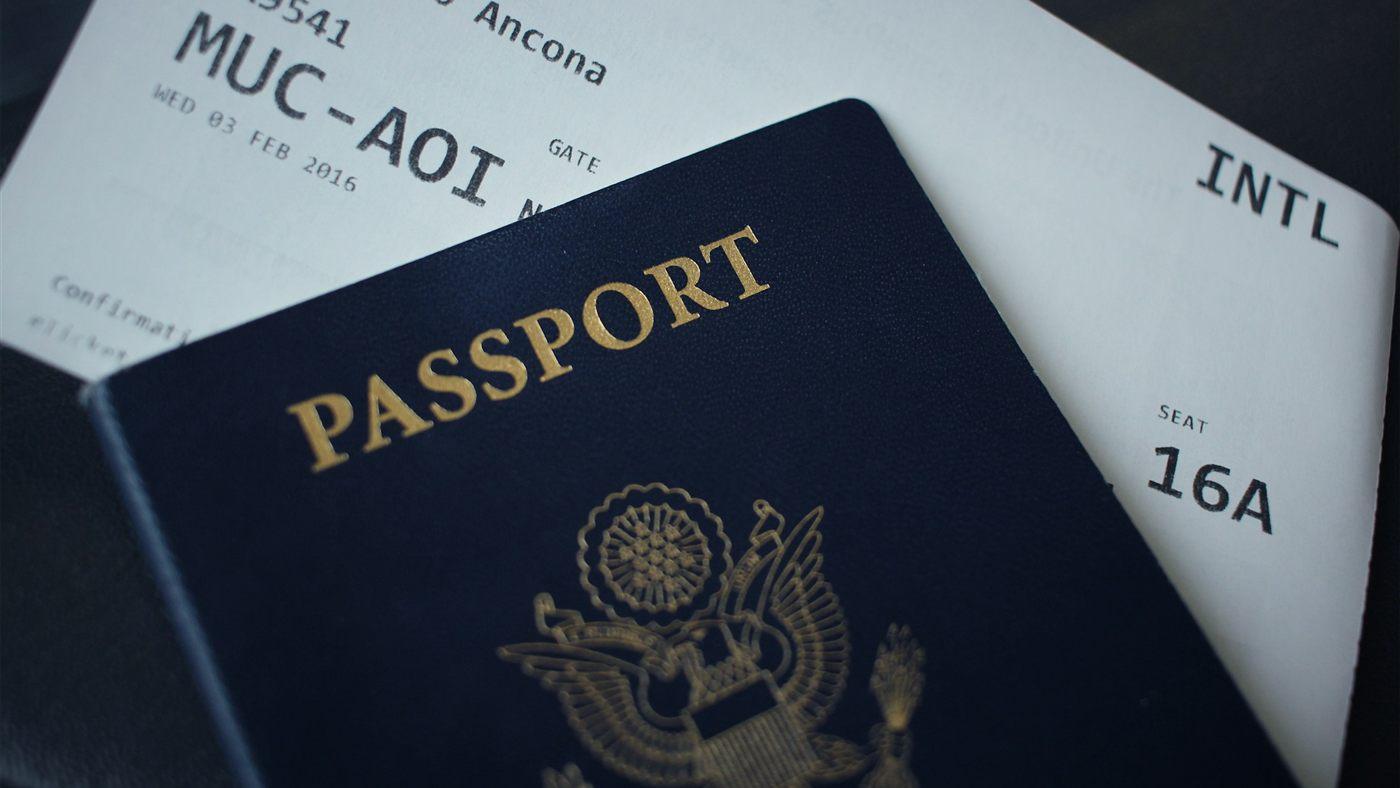
A1 certificate: paperwork for working across the border
 Written by Ilias Aarrass5 min read · Published on · Last reviewed on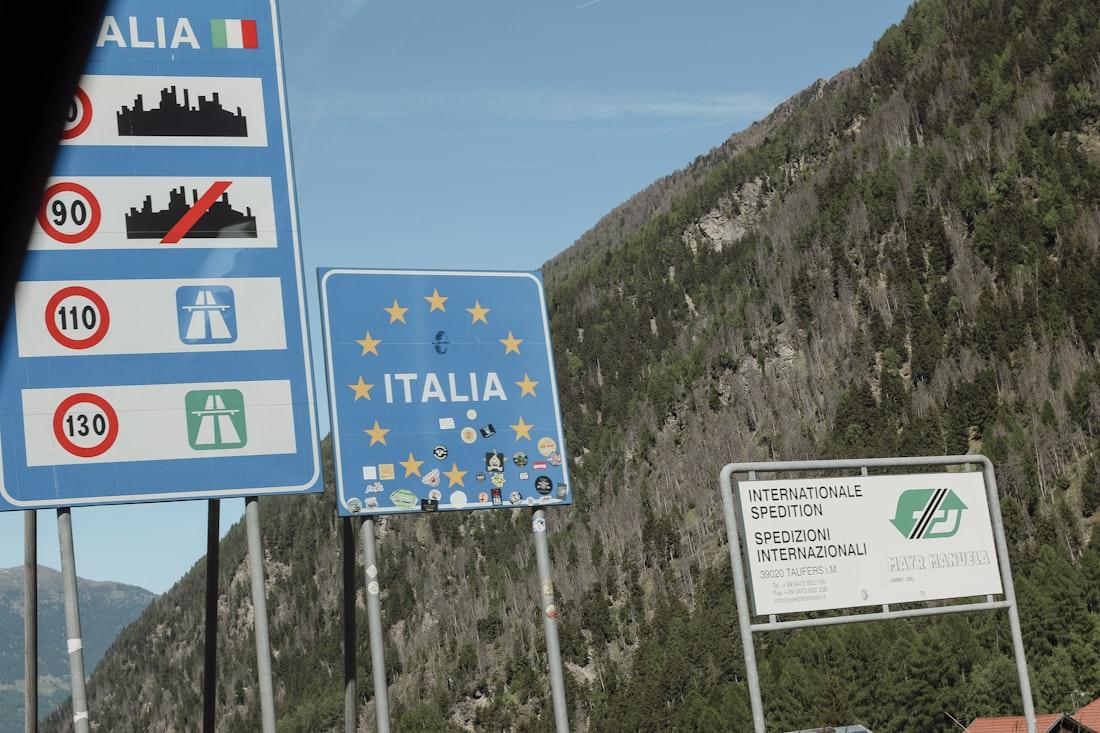
In short
The A1 certificate proves you stay socially insured in the Netherlands while working temporarily in another EU country; the self-employed apply free at the SVB and a posting lasts at most 24 months.
- Apply before you start: during an inspection only what you can show on the spot counts.
- In Belgium you also file a Limosa notification before starting and must be able to show that proof on site.
- Every person working needs their own certificate, including your staff and hired contractors.
- Social insurance is separate from tax: your profit stays taxed in the Netherlands as long as you have no permanent establishment there.
A job just across the border is routine for many freelancers in construction, engineering and transport. Fiscally little usually changes, but there is a paperwork side that is regularly overlooked. Within the EU you are socially insured in one country, and the proof is the A1 certificate from the Dutch social insurance bank. During an inspection on a Belgian or German site it is the first document asked for, and its absence can hit your client as hard as you. In this article: when you need it, how to apply and which per-country notifications come with it.
What an A1 certificate is
Within the EU, the EEA and Switzerland you can only be socially insured in one country, which counts just as much for anyone coming from abroad to run a business in the Netherlands. Working temporarily in another country, you remain insured in the Netherlands under certain conditions, and the A1 certificate proves it. Without that paper, the inspectorate in the country of work assumes you must be insured there, with all that follows: assessments for social contributions, a fine and sometimes a work stoppage. So the certificate is not a formality but your entry ticket.
As a self-employed person you can obtain one in two situations. The first is working temporarily in another country while your business stays established in the Netherlands; that may last up to 24 months. The second is structurally working in several countries at once, a driver or an adviser with clients on both sides of the border for instance; the social insurance bank then determines your country of insurance based on where you live and which share of your work happens where.
Applying at the social insurance bank
You apply yourself at the social insurance bank, online with DigiD. You state where you will work, for which client, in which period and what kind of work it is. Allow a few weeks, so apply as soon as the assignment is confirmed. The certificate is free and covers the period you state; if the job overruns, you request an extension.
To grant it, the bank wants to see that your business is genuinely established in the Netherlands and that you keep working here too. So make sure your Chamber registration, your Dutch client base and your records support that picture. If you work exclusively abroad for a single client, there is a real chance the certificate is refused and you become insurable there.
Each country adds something
The A1 certificate covers social insurance, but countries impose their own notification duties as well. In Belgium you must file a Limosa notification before starting; you receive proof of it that you must be able to show on site, and the fines for missing it are steep. In Germany there are notification duties and sector minimum wage rules, and in construction a registration with a sector fund may apply. Ask your client on site explicitly which notifications they expect from you; they usually know precisely.
- Belgium: Limosa notification before starting, plus your A1 proof with you.
- Germany: sector notification duties and attention to minimum wage rules.
- Everywhere: valid identification and a copy of your assignment agreement.
- In transport: driving and rest times and the rules for your vehicle in the country of work.
And what about tax?
Social insurance and tax are two separate questions. For income tax your profit is taxed in the Netherlands as long as you have no permanent establishment in the country of work, meaning no own workshop, office or long-running building site. Construction projects have their own period in the tax treaty, often twelve months; if a project runs longer, part of your profit may be taxed there. With individual jobs of a few weeks this does not arise.
For VAT the normal system applies: services to a business in another EU country are usually reverse-charged, you state reverse charge on your invoice and report the revenue in your intra-Community listing. Work on immovable property is the important exception: it is taxed where the property stands, and a local VAT registration may then be needed. See VAT with clients abroad and, for VAT you pay there yourself, reclaiming foreign VAT.
What to arrange per country
The A1 certificate covers your social insurance, but each country adds its own requirements. This is what a job across the border normally involves.
| What | Where | When |
|---|---|---|
| A1 certificate | SVB, online with DigiD, free | Before you start; allow a few weeks, valid up to 24 months |
| Limosa notification | Belgium | Before you start; show the proof on site |
| Sector notification and minimum wage rules | Germany | Varies by sector; construction may require a sector fund |
| ID and contract for the assignment | Everywhere | With you on site, digitally and on paper |
| Reverse-charged VAT and the ICP return | Services to EU businesses | Quarterly; work on real estate is the exception |
Frequently asked questions
Do I need an A1 certificate for a single day across the border?
Even for short jobs it is asked for in practice, certainly on building sites and in transport. The application is free and takes little effort, so the trade-off is quickly made. For a business meeting or a fair without performing work it is different.
What does an A1 certificate cost?
Nothing. The social insurance bank charges no fee. What does cost money is not having one: in several countries fines for both the client and the self-employed person run into the thousands, quite apart from work being halted.
Does the certificate also apply if I bring staff?
No, each person working needs their own certificate. For employees you apply as the employer; a hired self-employed person arranges it themselves. Check this before departure, since on site you are held responsible for your whole crew.
Do I stay insured in the Netherlands for healthcare?
With an A1 certificate you remain under Dutch social security, including the health insurance contribution you pay as an entrepreneur. Also request a European health insurance card from your insurer so you can be treated on site.
Sources
- What an A1 certificate isSVB · svb.nl
- Self-employed working temporarily abroadSVB · svb.nl
- Limosa notification when working in BelgiumKVK · kvk.nl
Sources checked on
This article provides general information based on the rules known for 2026 and does not replace personal tax advice. For your specific situation, we're happy to take a look with you.